
Why Scotland Is Limiting Its Afghanistan Cricket Links

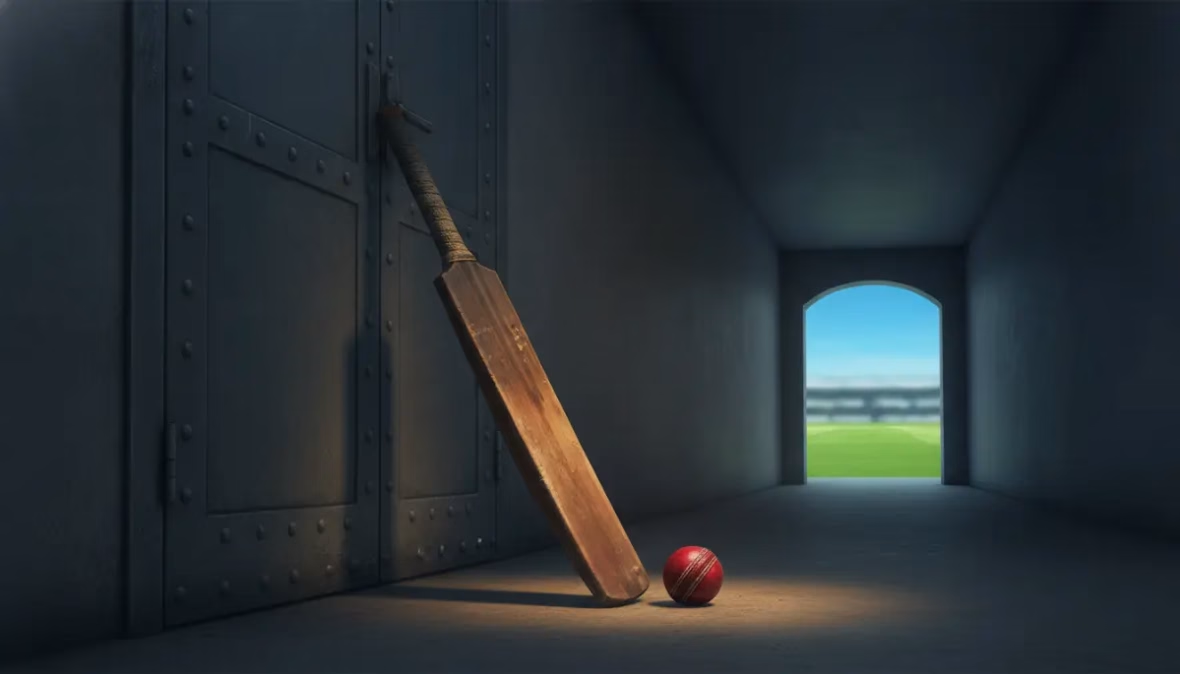
Cricket Scotland has introduced a restricted policy for matches involving Afghanistan’s men’s team. The decision follows continuing concerns about the Taliban government’s treatment of women and girls, as well as broader humanitarian issues.
A decision shaped by Afghanistan’s women’s game
Since the Taliban returned to power, women and girls in Afghanistan have faced severe limits on participation in sport. Afghanistan’s women’s cricket programme has consequently been unable to develop normally, creating a major concern for international cricket boards.
Cricket Scotland says it cannot actively arrange matches with Afghanistan while those circumstances remain unchanged. The policy reflects its stated commitment to expanding opportunities for women and girls in cricket, rather than treating the matter as an ordinary scheduling decision.
Scotland will not arrange independent fixtures
The new position applies to bilateral series, tri-series, practice matches, warm-up games, and other cricket activities arranged outside the International Cricket Council’s competition framework.
Cricket Scotland will not proactively schedule matches against Afghanistan’s men’s side unless there is a material improvement in the situation surrounding women’s cricket and wider human rights conditions. The board has therefore placed a clear limit on the fixtures it is willing to organize independently.
- Bilateral series against Afghanistan’s men’s team will not be arranged.
- Tri-series involving Afghanistan will not be proactively scheduled.
- Practice matches and training-camp games will not be organized.
- Non-ICC warm-up fixtures will not form part of Scotland’s planned engagements.
ICC tournaments remain an exception
Scotland has not announced a complete sporting boycott. If tournament regulations require Scotland to face Afghanistan at an ICC event, the Scottish team will fulfil that fixture.
This could include a World Cup, a qualifying tournament, or another ICC-sanctioned competition. The board has also indicated that required warm-up matches connected with ICC events would remain possible when competition rules make them part of the tournament structure.
The distinction rests on who controls the fixture. Scotland can choose whether to arrange a bilateral tour, but it has less discretion when a match is assigned through an ICC competition. Taking part in such a game, Cricket Scotland stresses, should not be viewed as approval of the Taliban government or its policies.
Participation in an ICC fixture does not represent support for Afghanistan’s current regime or its policies.
Other boards have made similar choices
Scotland’s approach fits a broader pattern in international cricket. England has continued to play Afghanistan in ICC tournaments while avoiding regular bilateral men’s series, reflecting similar concerns about women’s rights.
Cricket Australia has adopted an even stronger position by suspending bilateral cricket relations with Afghanistan. These policies show how boards are separating compulsory tournament participation from voluntarily arranging separate tours.
The issue remains difficult because Afghanistan’s men’s team has become one of international cricket’s most competitive emerging sides. Its quality spin bowling, aggressive batting, and strong tournament performances have earned widespread attention, but those achievements do not remove the concerns surrounding women’s access to the sport.
George Munsey’s league involvement depends on approval
The policy does not automatically prevent Scottish players from appearing in every Afghanistan-linked competition. George Munsey, the only Scottish cricketer selected in the most recent Afghanistan Premier League draft, could still participate if the event receives official ICC sanction.
Cricket Scotland has indicated that it would consider issuing Munsey a No-Objection Certificate if the league is approved. That decision would also take account of the board’s contractual responsibilities to its players.
Any NOC would come with an important qualification: Munsey’s participation would not mean Cricket Scotland supports the Taliban government or its policies. The approach therefore distinguishes between an officially sanctioned player opportunity and a board-organized international fixture.
For now, Scotland’s position is clear: it will meet Afghanistan when ICC rules require the match, but it will not independently build bilateral or tri-series commitments with the men’s team. The policy will remain subject to review if conditions in Afghanistan change or if the ICC adopts a different position.


